Cat First
The litter box
Choosing the right litter box and litter has a direct effect on whether your cat will use the bathroom where it's supposed to.
1Choosing a litter box
Open type ("classic") — maximum visibility for the cat, ideal for kittens and older cats. Choose sides 15–20 cm high, with a box length of 1.5–2 times the cat's body length.
Covered box ("privacy") — hides odors and litter, and prevents scatter. Some cats may feel trapped inside — try removing the door at first.
2Where to place the litter box
A quiet spot — away from noisy appliances and busy hallways.
Away from food — cats don't like relieving themselves where they eat or drink.
3Types of litter
Clumping mineral (bentonite clay) — holds odor very well and forms firm clumps, but produces dust when poured.
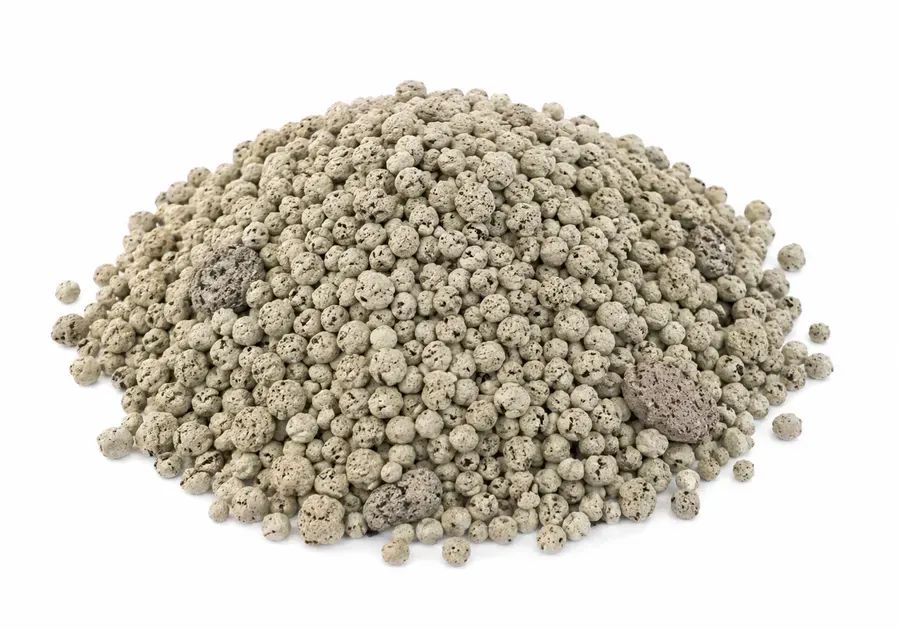
Wood-based (pressed sawdust, absorbent) — budget-friendly, breaks down into crumbs when wet, can be flushed down the toilet in small amounts, and is eco-friendly.

Silica gel (absorbent) — maximum absorbency and odor control, but crunches loudly and may scare off timid cats.

Plant-based litters (soy, corn, wheat) — flush perfectly, dissolve without residue, are safe if accidentally eaten, but cost more and can attract rodents if stored at a country house.

4The golden rule of litter boxes: N + 1
Tip
You should have one more litter box than you have cats in the house. This helps prevent stress and territorial conflicts.
5Care and hygiene
Daily: scoop clumps and solid waste 1–2 times a day.
Every 2 weeks/month: fully replace the litter and wash the box with a mild cleaner.
Material matters: plastic is more affordable, but absorbs odors over time and its chips and scratches can harbor bacteria. Ceramic or metal boxes disinfect more hygienically but cost more.
6Hidden threats
Fragrances: a lavender scent may be pleasant to you, but it repels a cat's sensitive nose.
Noisy locations: a litter box next to the washing machine is a recipe for sudden fright and the cat refusing to use that spot.
7If your cat ignores the litter box
Medical: first rule out cystitis or urinary stones with a vet.
Behavioral: check cleanliness, and try changing the litter type or the box's location.
Cats may ignore the litter box due to stress, unsuitable litter, a strong odor, or being frightened by the sounds and feel of certain litter particles.
More in this section
The information in this app comes from open sources and the experience of cat owners. It does not replace a consultation or an examination by a vet. Decisions about your pet's health and care are the owner's to make — if in any doubt, contact a vet.
All of this is in the Cat First app
Articles, checklists and first aid on your phone, even without internet.